Tactical Overview
Belgrade's best neighborhoods cluster around the historic center and spill outward along the river. Each one has its own rhythm: café mornings in Dorćol, river nights in Savamala, leaf-shaded sidewalks in Vračar, and brutalist grids in New Belgrade.
Where to stay & explore
DORĆOL
ДОРЋОЛ
Northeast of the center, along the Danube. 10 min walk from Knez Mihailova.
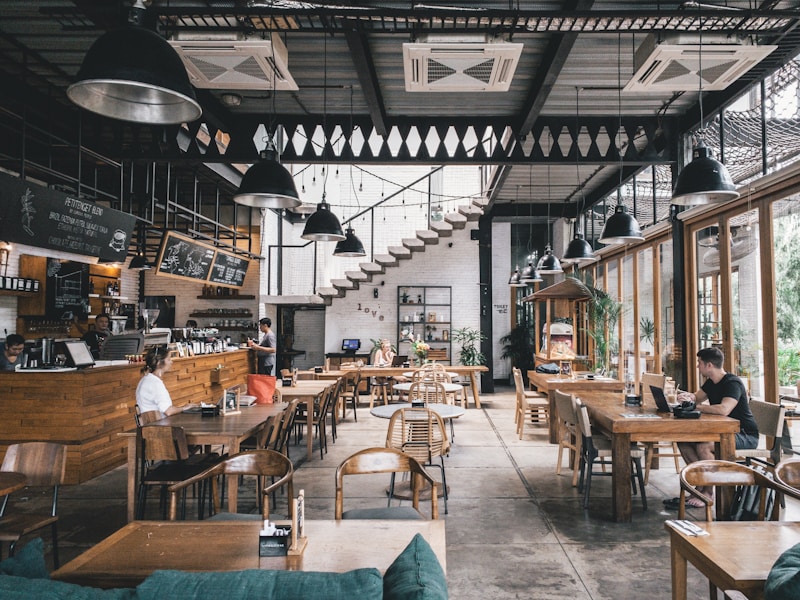
EVIDENCE: SECTOR 1
Dorćol is where Belgrade pretends it's Berlin — specialty coffee, concept stores, and people who moved here from Novi Beograd because the concrete was too much. It is the undisputed cultural and culinary center for locals in their 20s and 30s.
SAVAMALA
САВАМАЛА
Along the Sava riverbank, south of Kalemegdan. The waterfront arts district.
The gritty, industrial heart of Belgrade's nightlife. Warehouses turned into clubs, riverside bars, and the exact chaotic energy you came to the city for. Do not come here looking for a quiet morning coffee; come here at 2 AM.
VRAČAR
ВРАЧАР
Inland, south of the center. 15 min walk uphill from Stari Grad.
Leafy, historic, and slightly more bourgeois. Home to the massive Temple of St. Sava and the city's most consistent traditional kafanas. It feels older, quieter, and more residential than Dorćol, but the food is unmatched.
NOVI BEOGRAD
НОВИ БЕОГРАД
Across the Sava River. Connected by bridges. The brutalist grid.
A post-WWII brutalist utopia built on marshland. It is defined by massive concrete 'blocks' (Blokovi), extremely wide boulevards, and a booming tech scene. What it lacks in cobblestone charm, it makes up for in epic scale, incredible street food, and the floating river clubs (splavovi).
ZEMUN
ЗЕМУН
Far northwest, past New Belgrade on the Danube.
Zemun is fiercely independent; its locals will quickly remind you they are not technically from Belgrade. Historically part of the Austro-Hungarian empire, it trades brutalism for baroque architecture, cobblestone alleys, and the Gardoš tower overlooking endless riverside seafood taverns.