48 Hours in Belgrade
The only weekend guide you need.
This is not a list of 37 things to see. It's a single, opinionated route through the best of Belgrade — timed, paced, and built for a first visit.
Two days, two loops through the city. Day one follows the river and the old town, ending with sunset at Kalemegdan and dinner on the water. Day two goes south into the neighborhoods where Belgrade actually lives.

Base yourself in Dorćol.
For this itinerary, Dorćol is the best place to stay. Both days start here, it's flat and walkable, and you're within a short stroll of the city center. You'll save time, avoid taxis, and feel the city waking up around you.


Coffee in Dorćol, the city center on foot, the oldest streets, sunset at the fortress, and dinner on the river.
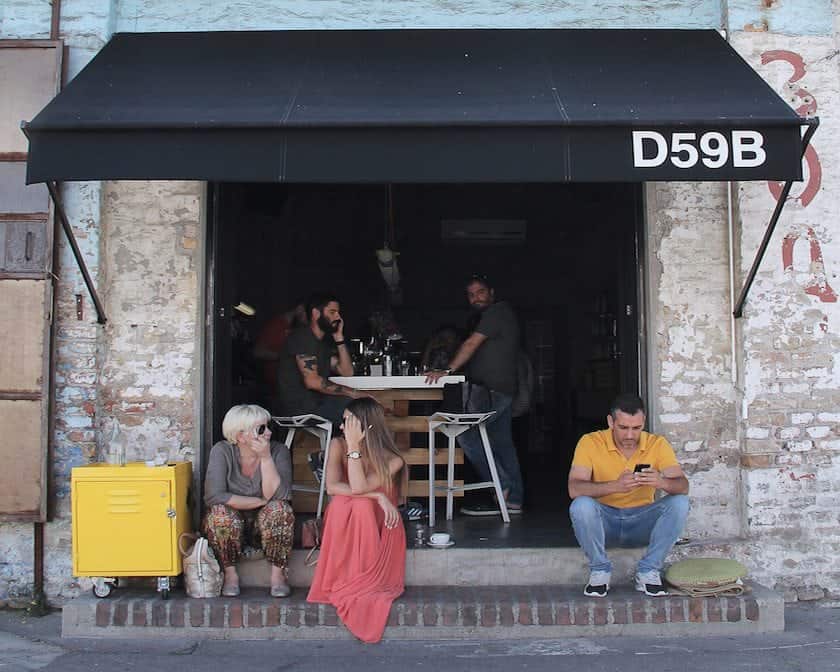
Start in Dorćol, Belgrade's most walkable neighborhood. The specialty coffee scene here is small but excellent — a handful of places doing it properly, tucked into quiet side streets.
If there's space outside, sit and watch Dorćol wake up. If not, grab it to go — that's actually better. Walk the narrow side streets with your coffee, take some photos of the street art, soak in the local life. Enjoy the sound of the cars and the motorbikes. Turn a couple of corners. There's no route here — just wander until you're ready for brunch.

Dorćol does brunch properly — the kind of neighborhood that takes breakfast seriously without being annoying about it. Sit down, eat well, and leave with enough energy for a full day of walking.


Republic Square is the beating center of Belgrade. The National Museum on one side, the National Theatre on the other, and the Horse statue in the middle where half of Belgrade meets. Take a few minutes to stand here and soak it in — this is the crossroads of the city.
The buildings around the square tell the story of Belgrade's layers: Ottoman foundations, Austro-Hungarian facades, socialist-era additions, and the energy of a city that keeps rebuilding itself.

Belgrade's main pedestrian spine — and this is where you slow down. Spend two to three hours here. Stroll, enjoy the street performances, explore the side streets. The grandest Austro‑Hungarian facades in the city line this street. Look up, not at the shop windows.


Most tourists never find this street. It's one of the oldest in Belgrade — cobblestone, quiet, with a handful of buildings that survived everything the 20th century threw at this city.
Check out Saborna Church on the way down. Then find the viewpoint on Kosančićev Venac itself. If you can find a spot to sit down and enjoy a drink here, do it. If not, take a few minutes to just stand and absorb the view — the Sava river, Novi Beograd, the geometry of the city laid out below you.
When you're done, stroll through the rest of the street. You'll come to a crossroads. On the left, you'll see stairs leading down to Beton Hala — don't take them yet, but enjoy the view from above. On the right, the path leads toward Kalemegdan. Take the right.

The fortress sits where the Sava and Danube rivers meet. It's been fought over for two thousand years and now it's the most peaceful place in the city.
Time this right. The sun sets around 20:00 in Belgrade in May — you want to be walking through Kalemegdan Park by 18:00, so that by sunset you're at the Pobednik statue on the fortress edge looking out over the confluence. This is one of the most beautiful moments in Belgrade.
Between arriving and sunset, explore the fortress itself — there's more to see than you'd expect. Ramparts, old gates, hidden corners. Buy a coffee from one of the park stands, share a bench with half of Belgrade, and let the golden hour do its thing.

Beton Hala is a row of restaurants built into a raw concrete hall on the Sava riverbank. You saw it from above at Kosančićev Venac — now you're in it.
Pick one of the three below. They're all excellent, all riverfront, all worth your last evening on Day 1. The vibe differs — read the notes and go with your gut.


The bohemian quarter, the grand avenue, Belgrade's biggest church, and a hidden garden. Today you see how the city actually lives.

Same drill as yesterday — start in Dorćol with a proper coffee. If you found your spot on Day 1, go back. If not, try the other one. The neighborhood is just as good the second morning.
Grab it to go and wander a different set of side streets. Dorćol always has something you missed the first time around.
Belgrade's bohemian quarter. Cobblestone street, old kafanas, iron lanterns. Yes, it's touristy — but go in the morning before the restaurants open and the live music starts, and you get the architecture without the circus. This is the street where Serbian poets and painters used to drink. The buildings remember.
This is also where you have a proper Serbian breakfast. Sit down at a kafana, order kajgana with kajmak, fresh bread, and a Turkish coffee. Start Day 2 the way Belgrade has started every morning for a hundred years. No acai bowls, no avocado toast — just the real thing.
Walk the full length of the street after breakfast. It only takes ten minutes. Then keep going south.

Walk past the Serbian Parliament building — imposing, serious, and usually surrounded by at least one protest or rally. Cross into Tasmajdan Park: manicured green space, fountains, old trees, and a view of the Church of St. Mark rising above it all.
St. Mark's was built in the medieval Serbo‑Byzantine style. The interior is dim, quiet, and heavy with incense. Step inside even if churches aren't your thing — the atmosphere is worth two minutes of your time.

This is the part most visitors miss because no one tells them about it. The walk from Tasmajdan down to the Temple of Saint Sava takes you through proper Belgrade residential streets — tree‑lined, beautiful early 20th century buildings, quiet cafés on corners, the occasional hidden courtyard.
This is where Belgrade actually feels like Belgrade. No tourists, no landmarks, just the city being itself. Don't rush this. It's the walk, not the destination.
The Temple of Saint Sava. One of the largest Orthodox churches in the world. You'll see it rising above the rooftops long before you arrive — the dome dominates the southern skyline. The exterior is massive and white. The interior, only recently completed, is covered in golden mosaics that took decades to finish.
Go inside. Look up. The crypt downstairs has golden ceilings and enormous chandeliers. It's genuinely stunning — the kind of space where even non‑religious people go quiet.

Slavija is Belgrade's loudest roundabout — a live pulse of the city. Stand here for a minute and watch the traffic choreography. This is where the city switches gears.

Walk down Kneza Miloša. Notice the cars rushing past and the round Skyline building sticking out ahead. If you turn back, you can see the Beograđanka tower popping out behind you.
When the street starts to open, cut right into the narrow, tree‑covered lanes of Savski Venac. Follow them downhill toward the river — this is the most elegant corridor into the waterfront.

Walk the promenade and explore the new district. The architecture is a rare modern intervention for Europe — bold, clean, and unusually cohesive.
Look for the Kula Belgrade tower and settle in for golden hour by the river. Dinner and drinks are best right next to Galerija.


